


Wash every sex toy after each use with mild, unscented soap and warm water - that is the single most reliable cleaning method recommended by sexual-health educators and toy manufacturers alike. Before trying anything else, check the product manual for your toy's specific material, waterproof rating, and any cleaning restrictions. If the toy is shared between partners, wash it and change the condom or barrier before it touches another person's body.
This guide walks through how to clean sex toys based on material and construction, how to handle waterproof versus non-waterproof vibrators, what to avoid, when to replace a worn-out toy, and how to store everything properly between uses.
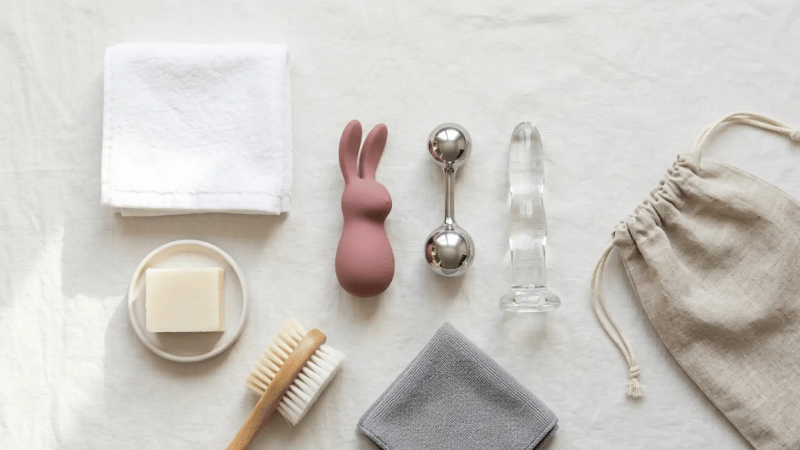
How to Clean Sex Toys After Every Use: The Basic Routine?
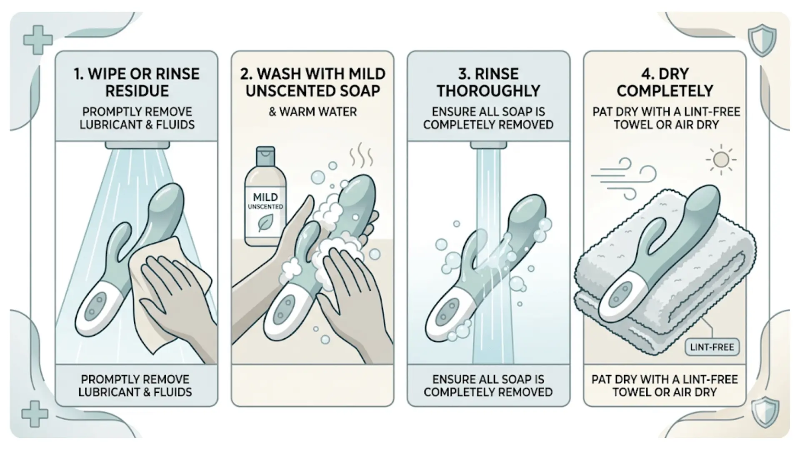
The core cleaning process stays the same regardless of material. Sexual-health resources from Brown University and the PASS Certified toy cleaning guide both emphasize washing toys after each session, especially penetrative or internal products. Here is a reliable step-by-step routine:
Step 1: Rinse or wipe off visible residue. If the toy should not be submerged - for example, because it has exposed batteries, a charging port, or seams around a motor housing - use a damp cloth rather than running water. Pay attention to any recessed charging pins or silicone seams where fluid can pool.
Step 2: Wash the entire surface with mild, unscented soap and warm water. Work the lather into grooves, textured areas, and any crevices where lubricant or bodily fluids could collect. A soft toothbrush kept specifically for toy cleaning can help reach ridged surfaces or suction-cup bases. Avoid soaps with heavy fragrance, dyes, or exfoliating particles - these can leave residue that irritates sensitive skin on later use.
Step 3: Rinse thoroughly. Soap residue left on a toy's surface can cause irritation when the product next contacts mucous membranes. Take the time to rinse until the surface feels completely clean.
Step 4: Dry completely before storing. Air drying on a clean, lint-free cloth is the simplest approach. If silicone toys pick up lint after air drying, a quick wipe with a microfiber cloth before storage solves the problem. Storing a damp toy in a closed pouch encourages bacterial growth and unpleasant odors, so thorough drying is part of the cleaning process - not an optional extra.
Can You Use Soap and Water on Sex Toys?
Yes - mild soap and warm water remain the most widely recommended routine cleaning method for the majority of sex toy materials. Brown University's sexual-health resource recommends it for non-porous materials, and Planned Parenthood's sex toys page advises washing with mild soap and water after use and before the toy touches another person.
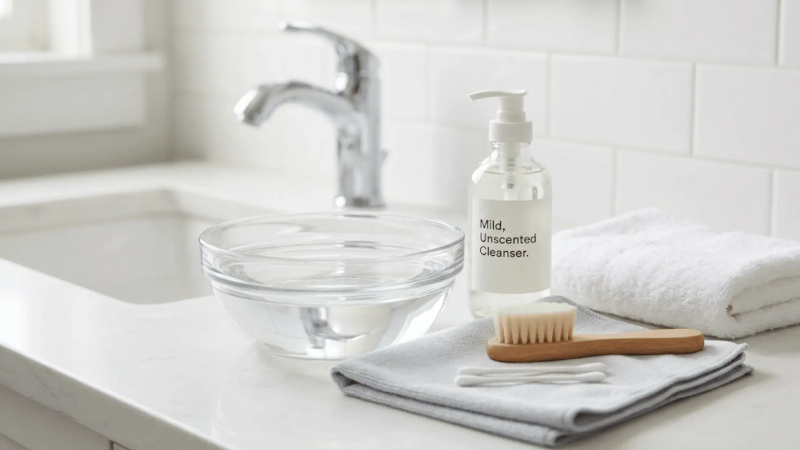
That said, "soap and water" does not mean any soap. A few guidelines help you pick the right one:
Choose a liquid soap over bar soap - it coats surfaces more evenly and rinses off more cleanly. Pick an unscented, dye-free formula. Antibacterial soap is acceptable for most non-porous materials, but some people with sensitive skin find it irritating on genital contact afterward. Avoid dish soap, which tends to be more chemically aggressive and can leave a film. If your toy came with a manufacturer-recommended cleaner, that is always a safe fallback.
How to Clean Sex Toys by Material

Silicone, Stainless Steel, Glass, and Hard Plastic (Non-Porous)
Non-porous materials do not absorb bacteria into their surface, which makes them the easiest group to clean and the safest for repeated internal use. A soap-and-water wash after each use is sufficient for routine cleaning of all non-porous toys, whether motorized or not.
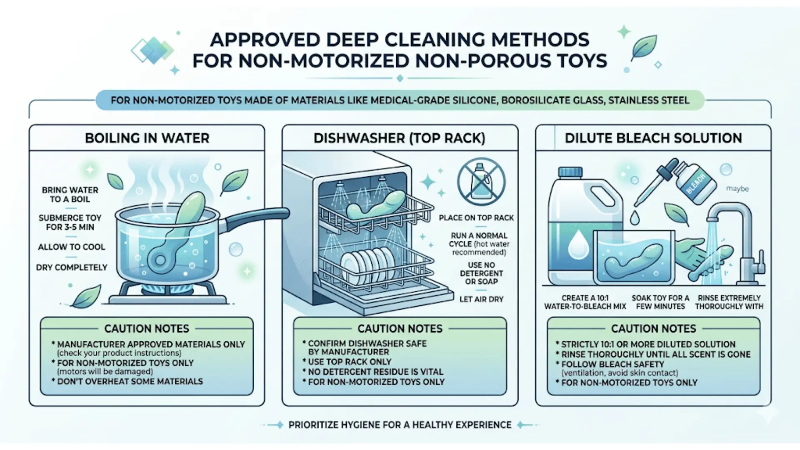
For deeper disinfection of non-motorized silicone, glass, or stainless-steel toys, some additional methods may be available - but only when the product's own instructions allow them:
- Boiling: Brown University's guide states that non-electronic silicone toys can be boiled for five to ten minutes. The PASS Certified guide specifies boiling for three minutes, then removing with tongs and allowing the toy to cool naturally - never rinsing a just-boiled toy with cold water, as the thermal shock can damage the material. Glass and stainless-steel toys without coatings or adhesives generally tolerate boiling as well. However, never boil a toy that contains a motor, battery, or any electronic component. Brands like We-Vibe explicitly instruct users not to boil their products.
- Dishwasher (top rack, no detergent): Some non-electronic silicone, borosilicate glass, and stainless-steel toys can go through a dishwasher sanitize cycle with plain water - no soap or detergent. Check your product manual first, and never put motorized toys in a dishwasher.
- Dilute bleach solution: The PASS Certified guide describes a disinfection method using five tablespoons of household bleach per gallon of water, applied for ten minutes, then followed by a thorough soap-and-water rinse. This is intended only for fully waterproof, non-porous toys and should never be used on porous materials or partially waterproof electronics. Always rinse all bleach residue completely before storing or using the toy.
If you are cleaning a silicone vibrator specifically, the safest approach is soap and water unless the manufacturer lists a deeper method for that exact model. To understand more about why silicone performs so well for intimate products, see our guide on why silicone is the best material for sex toys.
TPE, Rubber, Jelly, and Other Porous Materials
Porous materials contain microscopic holes that can trap bacteria even after surface cleaning. Brown University's guidance notes that rubber and similar soft materials are harder to clean thoroughly and recommends using condoms with these toys. This is not a minor precaution - it reflects a real limitation of the material itself.
For routine care of porous toys, wash gently with warm water and mild soap after each use, then dry thoroughly. Do not boil, dishwash, or use bleach solutions on porous materials - these methods can break down the material or fail to reach bacteria trapped in pores.
Because porous toys cannot be fully disinfected, they have a shorter safe lifespan than non-porous alternatives. Replace them sooner - particularly if you notice any tackiness, discoloration, unusual odor, or surface degradation. If you are comparing materials before your next purchase, our article on what sex toys are made of breaks down the differences in detail.
Material and Cleaning Method Reference
| Material | Porous? | Soap and Water | Boiling (Non-Motorized Only) | Dishwasher (Non-Motorized Only) | Bleach Solution (Non-Motorized Only) |
|---|---|---|---|---|---|
| Medical-grade silicone | No | Yes | Yes, if manufacturer allows | Yes, if manufacturer allows | Yes, if fully waterproof |
| Stainless steel | No | Yes | Yes | Yes | Yes |
| Borosilicate glass | No | Yes | Yes | Yes | Yes |
| Hard plastic (ABS) | No | Yes | No | No | Check manufacturer |
| TPE / TPR | Yes | Yes (gentle) | No | No | No |
| Rubber / jelly | Yes | Yes (gentle) | No | No | No |
| PVC / vinyl | Yes | Yes (warm water, gentle soap) | No | No | No |
| Cyberskin / realistic skin | Yes | Warm water only; air dry and powder with cornstarch | No | No | No |
| Leather | Yes | Damp wipe only; avoid soaking | No | No | No |
Always follow the manufacturer's specific care instructions over general guidelines. If your toy contains a motor, battery, or electronic component, do not use any deep-cleaning method without explicit brand approval.
How to Clean Waterproof vs. Non-Waterproof Vibrators

The word "waterproof" on packaging does not always mean the same thing. Some vibrators are rated fully submersible (often indicated by an IPX7 rating), others are only splashproof (IPX4 or similar), and some should only be wiped with a damp cloth. The distinction matters for cleaning because submerging a splashproof toy can push water into the motor housing or around the charging contacts, damaging the electronics or creating a moisture trap inside the toy.
- Fully waterproof vibrators can generally be washed under running water or briefly submerged. Use mild soap, pay attention to seams around buttons and charging areas, and dry thoroughly - including around any magnetic charging contacts, where water tends to pool.
- Splashproof vibrators can handle a quick rinse but should not be held under running water for extended periods or submerged. Wash with a damp, soapy cloth and wipe clean.
- Non-waterproof vibrators should only be cleaned with a damp cloth. Remove any detachable batteries before cleaning. Keep water away from charging ports, button seams, and anywhere the housing is not fully sealed.
If you are unsure about your vibrator's waterproof rating, check the product manual or the manufacturer's website. Our guide on how to charge your vibrator also covers charging-port care, which directly affects how you should handle moisture around those areas.
How to Clean Shared Sex Toys
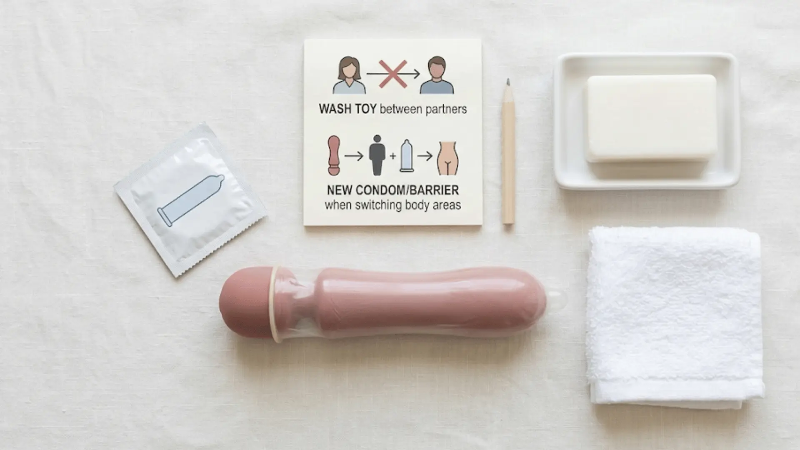
Planned Parenthood recommends washing shared toys with mild soap and water before they touch another person's genitals and using condoms on shared toys, changing the condom between partners. The Sexual Medicine Society of North America notes that chlamydia, syphilis, gonorrhea, herpes, and bacterial vaginosis can all potentially be transmitted through shared toys.
In practice, the safest approach for shared toys combines two layers of protection:
- Use a barrier. Place a fresh condom on the toy for each partner. Change the condom before the toy touches a different person or a different body area. This is the simplest and most effective way to reduce fluid transfer during partner play.
- Wash between partners. Even when using condoms, washing the toy between users adds an extra layer of hygiene. If a condom broke or was not used, washing becomes essential rather than optional.
- Never move a toy from the anus to the vagina or mouth without cleaning it first or changing the barrier. Brown University's sexual-health resource specifically highlights this point - transferring bacteria between body areas raises infection risk significantly, even when the toy is only used by one person.
If you use silicone anal toys or other insertable products between partners, the barrier-plus-wash combination is especially important. For more on safe anal-toy practices, see our guide on how to choose safe anal toys.
Can You Make a DIY Sex Toy Cleaner at Home?
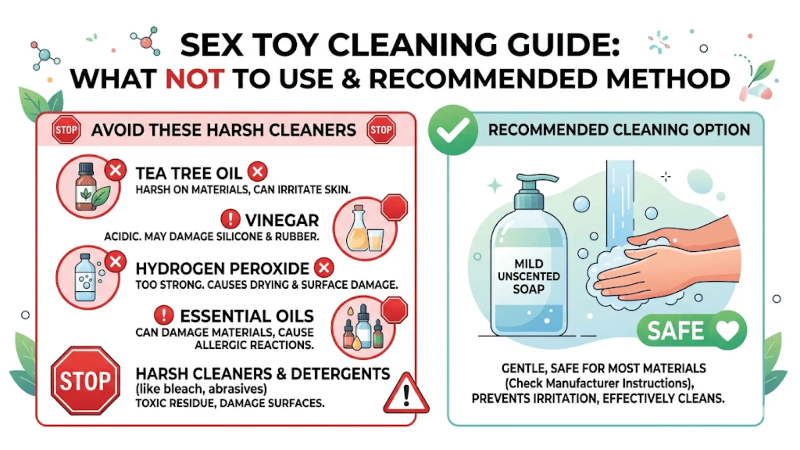
The most effective DIY sex toy cleaner is also the simplest: mild, unscented liquid soap mixed with warm water. No additional ingredients are needed for routine surface cleaning, and this method is consistently supported by both sexual-health guidance and brand care instructions.
Some online sources suggest adding tea tree oil, vinegar, hydrogen peroxide, or essential-oil blends to a homemade cleaner. These are best avoided for intimate products. Tea tree oil, for example, is a known skin irritant in some individuals - the National Center for Complementary and Integrative Health (NCCIH) notes that topical tea tree oil can cause redness and skin irritation, especially if the product is old or improperly stored. Applying it to a surface that will later contact mucous membranes adds unnecessary risk.
If you need deeper disinfection beyond soap and water, use one of the manufacturer-approved methods described in the material section above (boiling, dishwasher, or dilute bleach - only where the material and product construction allow it). Improvised cleaning solutions are more likely to damage a toy's surface or leave irritating residue than to provide meaningful additional protection.
Common Mistakes When Cleaning Sex Toys
Treating all toys the same. A borosilicate glass dildo and a TPE stroker sleeve require completely different care. Identify the material first - if you are not sure, the product page or manual will tell you. Our overview of common sex toy materials can help you determine what you are working with.
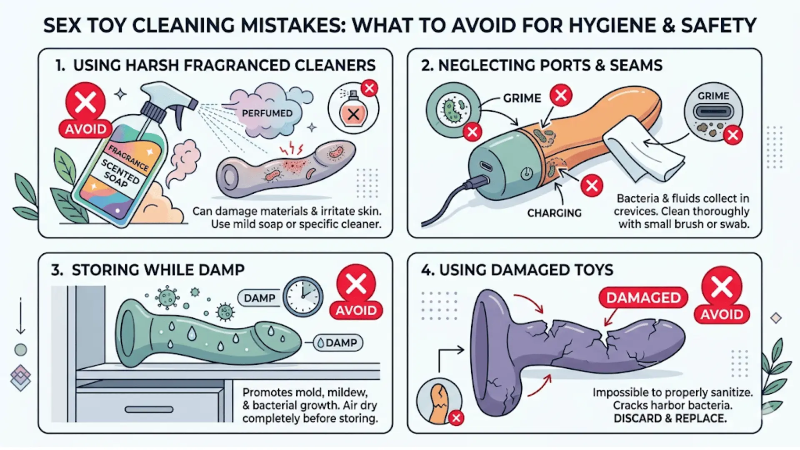
Using harsh or fragranced cleaners. Dish soap, bleach-based household sprays, rubbing alcohol, and heavily perfumed body washes can degrade toy surfaces and leave irritating chemical residue. Stick to mild, unscented soap unless the manufacturer explicitly approves something stronger.
Skipping the area around charging ports and button seams. Lubricant and fluids tend to migrate into these small gaps. A damp cotton swab or the corner of a soft cloth can reach into recessed charging contacts without forcing water into the electronics.
Storing toys before they are fully dry. Even five minutes of remaining dampness in a sealed pouch can produce mildew odor or encourage bacterial growth. Wait until the surface is completely dry to the touch before putting a toy away.
Ignoring material wear. Brown University's guide advises checking toys for imperfections such as rough seams, tears, or cracks before each use. The PASS Certified guide goes further, recommending that toys with visible cracks in plastic, acrylic, or glass be disposed of entirely. A cracked surface cannot be cleaned reliably, and the crack itself can harbor bacteria or cause physical harm.
Forgetting to clean before first use. Even a brand-new toy may carry dust, packaging residue, or manufacturing lubricant from the factory. Give every new product a thorough soap-and-water wash before its first use.
How to Store Sex Toys Properly
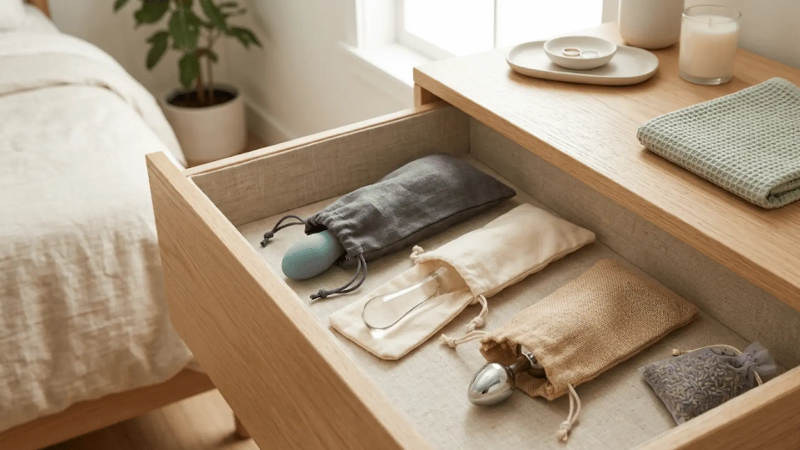
Proper storage begins after the toy is fully clean and dry. Brown University and the PASS Certified guide both recommend keeping toys in a clean, breathable pouch or container in a cool, dry location. Avoid plastic bags for silicone products - they can trap moisture and cause surface tackiness over time. A fabric pouch or a dedicated storage case works better.
Keep different toys separated during storage. Silicone toys stored in direct contact with each other can sometimes react and degrade, especially if the silicone quality varies between products. Separating them also prevents scratching on glass or metal toys and keeps each product free from dust and accidental contamination.
Before using any stored toy, give it a quick rinse or wipe - even if it was cleaned before storage. Dust, lint, or ambient moisture may have settled on the surface since the last use.
When Should You Replace a Sex Toy?
Replace a toy when you notice any of these signs:
Visible cracks, tears, or surface degradation. Once a toy's surface is compromised, even thorough cleaning cannot reach bacteria trapped in the damaged area. This applies to all materials - hard and soft.
Persistent odor that does not go away after cleaning. This can indicate deep bacterial colonization, particularly in porous materials. If a thorough wash and full air dry do not resolve the smell, the toy has likely reached the end of its safe lifespan.
Sticky or tacky surface on silicone or TPE products. Surface tackiness signals material breakdown. The toy may be releasing compounds that should not contact sensitive skin.
Discoloration or changes in texture. Chemical reactions from lubricants, cleaning products, or simple aging can alter a toy's surface properties, reducing its safety and hygiene.
Non-porous materials like medical-grade silicone, stainless steel, and borosilicate glass generally last years with proper care. Porous materials like TPE, jelly rubber, and cyberskin have shorter functional lifespans and should be inspected regularly. For guidance on selecting durable products, see our article on how to choose your first silicone dildo.
Frequently Asked Questions
Can I clean sex toys with just soap and water?
For most toys, yes. Mild, unscented soap and warm water are the most consistently recommended method across sexual-health guidance from organizations like Brown University and Planned Parenthood, as well as from most major toy manufacturers. For deeper disinfection, some non-motorized, non-porous toys allow boiling or dishwasher cleaning - always confirm with the product manual first.
Can you boil silicone sex toys?
Some non-electronic silicone toys can be boiled for disinfection. Brown University's sex toy guide lists boiling for five to ten minutes as an option for non-motorized silicone. However, this only applies to toys without batteries, motors, or electronic components of any kind. Brands like We-Vibe explicitly advise against boiling their products due to the risk of heat damage to internal components. Always check the product care instructions before boiling.
How do I clean a vibrator that is not waterproof?
Wipe it with a damp cloth and mild soap, then wipe again with a clean, damp cloth to remove soap residue. Avoid running water directly over the toy, and keep moisture away from charging ports, battery compartments, and button seams. Dry the toy thoroughly with a lint-free cloth before storing. For more about vibrator care, see our guide on how to clean a silicone vibrator.
Can I use alcohol or bleach on sex toys?
Only if the manufacturer's instructions explicitly approve it for that specific product. Many toy brands advise against alcohol and bleach because these chemicals can degrade surfaces and leave irritating residue. If you do use a dilute bleach solution for disinfection (on a fully waterproof, non-porous, non-motorized toy that the brand approves for this method), always follow with a complete soap-and-water rinse.
Do I need to use a condom on shared toys?
It is strongly recommended. Planned Parenthood advises using condoms on shared toys and changing them between partners and body areas. The Sexual Medicine Society of North America notes that multiple STIs can be transmitted through shared sex toys. Using a fresh condom for each partner and each body area is one of the simplest protective measures available.
When should I replace a sex toy?
Replace any toy that shows cracks, tears, persistent odor after cleaning, surface tackiness, or visible material degradation. The PASS Certified guide recommends disposing of toys with visible cracks in plastic, acrylic, or glass, as the damage makes thorough cleaning impossible and may cause physical harm.
Should I wash a brand-new sex toy before using it?
Yes. New toys can carry factory residue, dust from packaging, or traces of manufacturing lubricant. A soap-and-water wash before first use is a simple precaution that multiple cleaning guides recommend.
What kind of soap should I avoid?
Avoid heavily fragranced soaps, soaps with dyes or exfoliating beads, dish soap, and harsh antibacterial formulas that contain strong chemical agents. These can damage toy surfaces or leave residue that irritates the vagina, penis, or anus on later use. Opt for a mild, unscented liquid hand soap or a purpose-made toy cleaner.


