


Understanding how sex dolls are made - whether you searched "making a sex doll" out of curiosity or you're evaluating a purchase - comes down to the same foundation: what goes into the product determines how it performs and whether its price makes sense. This guide covers materials, the factory workflow, the reality of DIY production, and how to apply that knowledge when buying.

The Two Materials Everything Starts With
All realistic and custom sex dolls are built from one of two materials: TPE or platinum-cured silicone. They're not interchangeable - each has a distinct production process, feel in use, and care requirement.
TPE (Thermoplastic Elastomer)
TPE is a soft, flexible polymer used by most mid-range manufacturers. It costs less to produce than silicone, which keeps finished retail prices lower. The material is pliable and forgiving, making repositioning easier day-to-day. Its practical limitation is porosity: TPE's surface is microscopically open, meaning it absorbs moisture and requires more careful cleaning after each use. Reputable products specify phthalate-free TPE, and this is worth verifying before purchase rather than assuming.
Platinum-Cured Silicone
The silicone used in quality sex doll production is platinum-cured - the same grade found in medical implants and food-contact applications. It's denser than TPE, heavier, and holds fine surface detail more precisely: skin texture, pore patterns, and subtle facial features all reproduce with greater resolution. Because it's non-porous, it's significantly easier to sanitize. The cost is proportionally higher; silicone production is more technically demanding and the raw material itself is more expensive. A material selection guide for physical dolls can help clarify which tradeoffs actually matter for your priorities.
One persistent source of confusion: products marketed as "silicone" sometimes turn out to be TPE on closer inspection. If a listing doesn't specify platinum-cured, it's worth asking the seller directly. The comparison between TPE and silicone dolls covers how the two materials differ in long-term performance and maintenance demands.
The Internal Skeleton
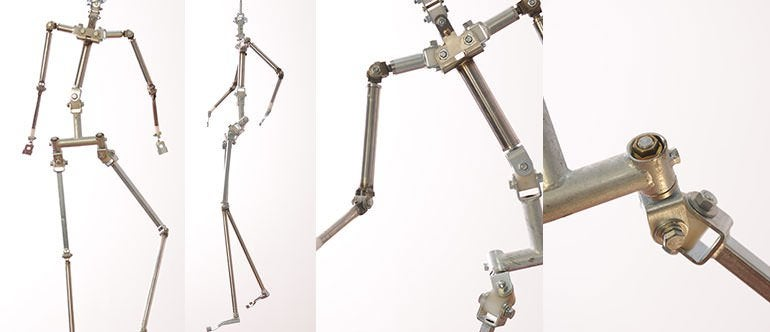
Every full-body sex doll is built around an articulated metal skeleton - typically stainless steel or aluminum alloy joints embedded in a PVC structural frame. The skeleton determines how the doll can be positioned. Standard designs allow basic posing; higher-quality skeletons add shrug joints at the shoulder (so arms raise without looking unnatural) and reinforced ankle joints for standing support. Material hardness, measured in Shore A units, also plays a role - softer outer layers compress more naturally against the skeleton, though they may wear faster at joint contact points over time.
What "Body-Safe" Means in Practice
For any material in intimate contact with the body, body-safe means: no phthalates (plasticizers that absorb through skin), no acetic acid byproducts, and full chemical stability after curing. Tin-cured silicone is cheaper than platinum-cured but produces acetic acid during the curing process and degrades over time - not acceptable for this use. Hardware-store silicone caulk is also off the table; it contains fungicidal additives regardless of how it's labeled. For a thorough breakdown of body-safe sex toy materials and what to look for in specifications, that's worth reading before any significant purchase.
| Feature | TPE | Silicone |
|---|---|---|
| Feel | Soft, flexible | Firm, dense |
| Porosity | Porous | Non-porous |
| Cleaning effort | Higher | Lower |
| Surface detail | Good | Excellent |
| Price | Lower | Higher |
| Long-term durability | Good with proper care | Excellent |
How Sex Dolls Are Made: The Factory Process
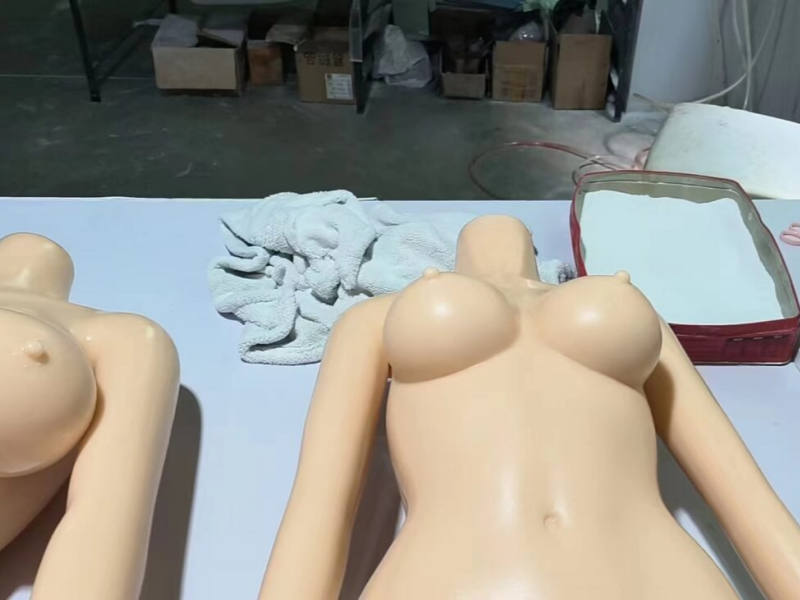
Realistic full-body sex doll production spans multiple specialized stages. Combined labor is commonly cited in the range of 60 to well over 100 hours per unit, though this varies considerably by manufacturer, design complexity, and customization level.
Design and mold creation. The process starts with a digital 3D sculpt developed from reference measurements and artistic direction. Once approved internally, that design goes into physical mold production - separate forms for the torso, limbs, head, hands, and feet. Quality molds are expensive and time-consuming to tool; their precision directly limits the surface detail achievable in the finished product. This is why manufacturers reuse proven molds across many production runs and why mold investment separates premium producers from budget ones in ways that aren't obvious until you see close-up product photography.
Material preparation and casting. TPE pellets or silicone compound are measured, mixed with pigments for the target skin tone, and blended with softening additives that affect final texture. For silicone, a platinum catalyst is added at this stage. The compound is then poured into molds and cured under controlled heat. Silicone is typically vacuum-degassed before pouring to remove air bubbles that would otherwise leave surface voids. Each body section cures separately before any assembly begins.
Skeleton integration. The internal skeleton is assembled and joint ranges of motion tested before any outer material is applied. The skeleton is then positioned inside the body mold at a specific point in the curing process - too early or too late and the bond between structure and outer material is weakened. Skeleton upgrade options such as shrug joints and standing feet are specified at this stage and become permanently integrated into the finished product.
Finishing and detail work. Once demolded, each section is inspected and seam lines are trimmed and smoothed by hand. The face is the most labor-intensive component: glass or acrylic eyes are hand-placed, eyebrows and lip detail are painted by skilled artists, and hair is either fitted as a wig or individually implanted in premium production runs. This is where production shortcuts are most visible - compare brow line precision, eye symmetry, and skin tone consistency in product photography before buying. The production process for silicone-based products follows a comparable quality-dependent pattern at the component level.
Quality control and packaging. Each completed unit goes through visual and mechanical inspection - joint range testing, surface checks, weight verification - before boxing. Reputable manufacturers document this step. Finished products ship in discreet outer packaging, and most brands detach the head from the body to reduce package dimensions and transit damage risk.

Can You Make a Sex Doll at Home?
Small-scale silicone casting at home is genuinely feasible for simple components - and worth understanding even if you ultimately decide to buy. Building a full-size realistic doll from scratch is a different matter, and the risks of using the wrong materials are real enough to be specific about.
What Home Silicone Casting Looks Like
For a simple single-component form - a pocket stroker or similar shape - home casting requires a mold (3D-printed molds work adequately for straightforward geometries), body-safe platinum-cure liquid silicone, and basic mixing containers. Smooth-On's Ecoflex and Dragon Skin series are widely used for body-contact hobby applications. The process: mix Part A and Part B at the manufacturer's specified ratio, pour slowly to minimize bubble formation, cure fully at room temperature, demold, and trim any flash. For simple shapes with no undercuts, most people can produce a usable result within a few attempts. More on what's realistically achievable in the DIY sex toys for men guide.
The Safety Issue You Cannot Skip
Wrong material selection is the most serious risk in any DIY intimate product project. Hardware-store silicone caulk contains fungicidal additives - not body-safe, regardless of labeling. Tin-cured silicone is cheaper than platinum-cure but produces acetic acid as a curing byproduct and degrades over time. Latex carries significant allergen risk. The fundamentals of sex toy material safety apply as much to homemade products as to purchased ones - arguably more, since there's no manufacturer specification to reference if something goes wrong.
For full-size realistic dolls specifically: material costs alone for a quality DIY attempt often exceed what a professionally made TPE doll retails for, with no certainty of a usable result. At that scale, the economics don't favor DIY for most buyers.
Reading Manufacturing Quality as a Buyer
Knowing how sex dolls are manufactured gives you a practical filter for evaluating products. A few things that actually signal quality:
- Material disclosure. Any legitimate seller names the material clearly - TPE or platinum-cured silicone. Descriptions like "premium material" or "skin-like texture" without further specification are a gap in the product information, not a feature worth paying for.
- Skeleton specifications. Quality manufacturers list joint type, frame material (steel or aluminum), and available upgrade options. A listing with no skeleton information at all is worth questioning before purchase.
- Face photography. Hand-finishing quality is visible in close-up product photos. Consistently soft-focus images that avoid the face, or photos that appear digitally enhanced, suggest the seller would rather you not see the actual finishing standard up close.
- Manufacturer identity. Established brands have traceable production histories and stand behind material claims. Anonymous "factory direct" listings with no identifiable manufacturer carry more risk around both quality consistency and after-sales support.
- Pricing against market reality. Quality full-body TPE dolls from established factories have a realistic cost floor that reflects material and labor. Pricing significantly below that floor almost always means a shortcut somewhere in the process. The realistic sex doll buyer's guide explains what different price ranges typically reflect in terms of actual build quality.
- Torso models as a practical alternative. If storage space, weight, or budget is a constraint, sex doll torsos use the same materials and factory processes as full-size dolls in a more manageable form factor. Worth comparing before committing to a full-body purchase.
Frequently Asked Questions
How long does it take to make a sex doll?
Production timelines vary by manufacturer and order type. Standard production generally spans 60 to well over 100 hours of combined labor across all stages - design confirmation, casting, skeleton integration, hand-finishing, and quality checks. Custom specifications such as non-standard proportions or implanted hair extend this further. Full-body silicone dolls tend to have the longest timelines given the material and finishing demands involved.
Is sex doll silicone the same as medical-grade silicone?
Premium sex dolls use platinum-cured silicone, which is the same class of material used in medical implants - biocompatible, non-porous, and chemically stable under normal conditions. Products listed simply as "silicone" without specifying platinum-cured may be TPE. The two materials behave differently over months of use, which makes the specification more than a technicality when you're comparing options at similar price points.
What materials do I need to make a simple silicone toy at home?
Start with platinum-cure liquid silicone from a supplier that explicitly markets it for body-contact use - Smooth-On's Ecoflex series is the most commonly recommended starting point. You'll also need molds suited to your design and basic mixing containers. Hardware-store silicone caulk should never be used for intimate applications: it contains additives that aren't skin-safe regardless of how it's marketed. Follow the manufacturer's cure time instructions exactly; under-cured silicone retains reactive compounds that can cause skin irritation.
What's the practical difference between a lower-cost and a higher-cost sex doll?
The gap reflects where production investment went - or didn't. Key variables include material grade (TPE vs. platinum silicone), skeleton joint precision and upgrade options, depth of hand-finishing on facial features, mold resolution, and quality control standards. A well-reviewed TPE doll from an established factory represents good value for most buyers. Silicone becomes worth the premium when long-term durability, lower maintenance requirements, and maximum surface realism are the priorities. The guide to physical doll materials covers this tradeoff in depth.
How should I care for a sex doll to extend its lifespan?
Clean after each use with warm water and a mild, fragrance-free cleanser, then dry thoroughly - moisture retention is the main factor in material degradation, particularly for TPE. Store lying flat or hung in a breathable fabric bag, away from direct sunlight, sharp edges, and hard contact surfaces. TPE dolls benefit from periodic application of renewal powder to restore surface texture and prevent tackiness. For material-specific cleaning methods and storage recommendations, the complete sex doll care and maintenance guide is the right starting point.
Making a realistic sex doll is a multi-stage industrial process, and price variation across products almost always reflects where that process was invested or where shortcuts were taken. Whether you're looking at the sex torso range or full-size models, understanding how the product is built gives you a more reliable basis for comparison than marketing language alone.


